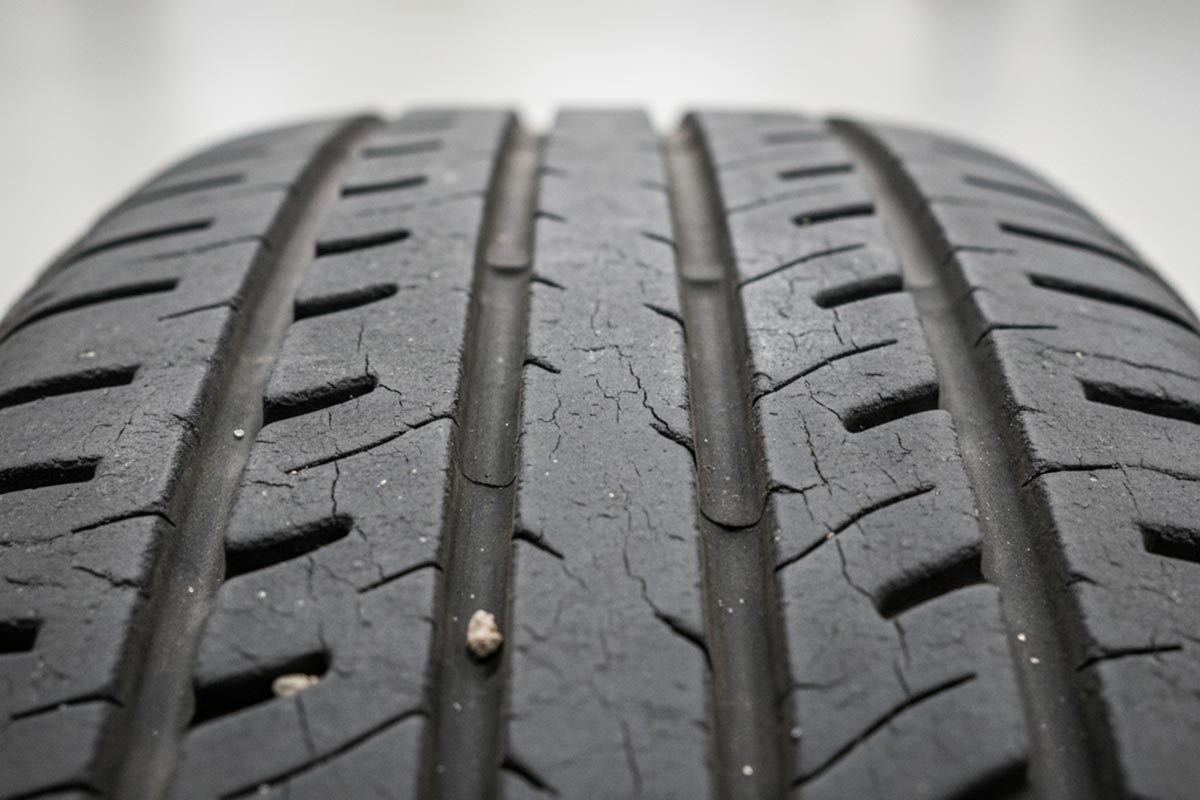
Tyres & Tread

Worn or damaged tyres are among the most common MOT failure points — but they’re also one of the easiest things to check yourself.

What to do:

  • Inspect all four tyres (and the spare if you have one) for cuts, bulges, or objects stuck in the tread.
  • Check tyre pressure against the recommended levels in your car’s manual or on the driver’s door frame.
  • Measure tread depth — the legal minimum is 1.6 mm across the central three-quarters of the tyre.
  • An easy test: place a 20p coin into the tread. If you can see the coin’s outer rim, it’s time for new tyres.
  • Make sure all tyres are the same size and type across each axle.

Tip: Uneven wear might mean your tracking or suspension needs adjustment. Sorting that before the MOT can save both money and hassle.
Brakes – Quick Check

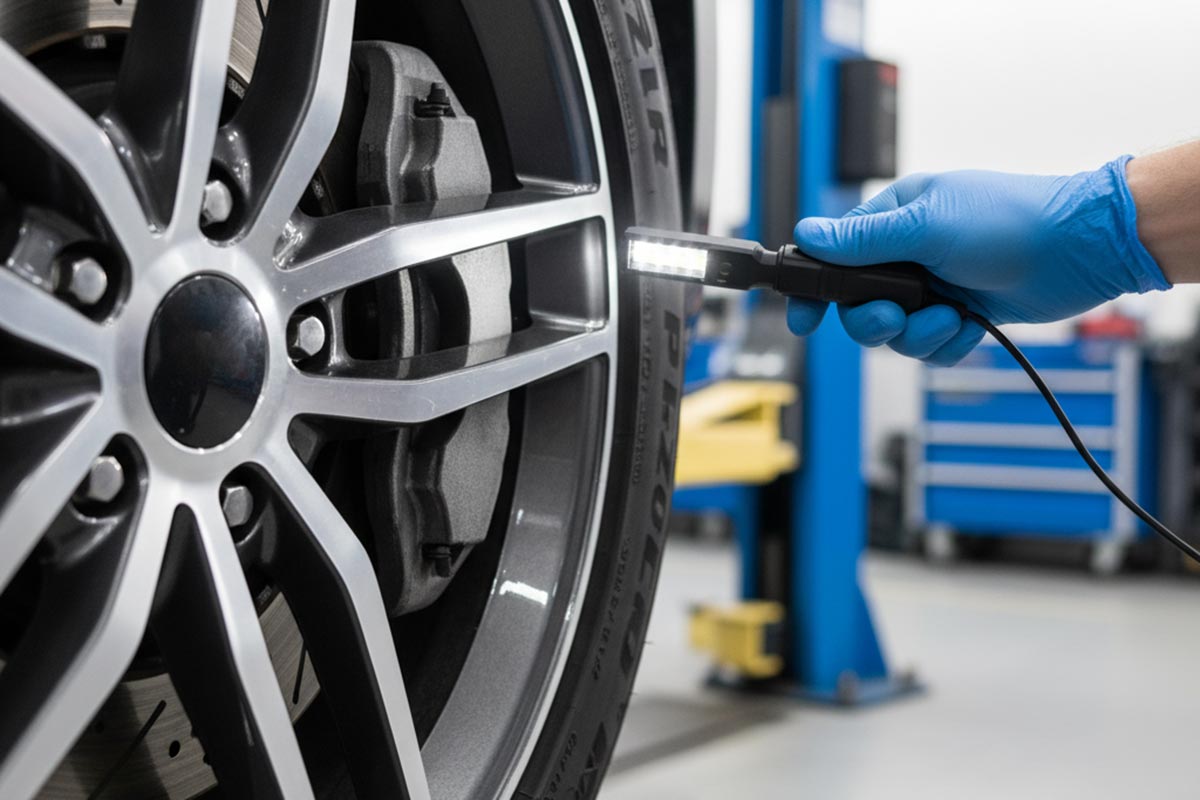
Brake issues are a leading cause of MOT failures, but many problems can be spotted early with a few simple checks.

What to do:

  • When driving, make sure the car doesn’t pull to one side when you brake — this can indicate uneven braking or a sticking caliper.
  • Check the brake pedal feels firm, not spongy, and that it doesn’t sink slowly when pressed.
  • Listen for squealing, grinding or scraping noises — worn pads or discs may need replacing.
  • Ensure the handbrake (parking brake) holds the car securely on a slope.
  • Look under the car for any signs of fluid leaks near the wheels or brake lines.

Tip: If the brake warning light stays on, or the pedal feels soft, get your brakes checked by a mechanic before your MOT — it’s a quick fix that could prevent a fail.

Lights Checklist

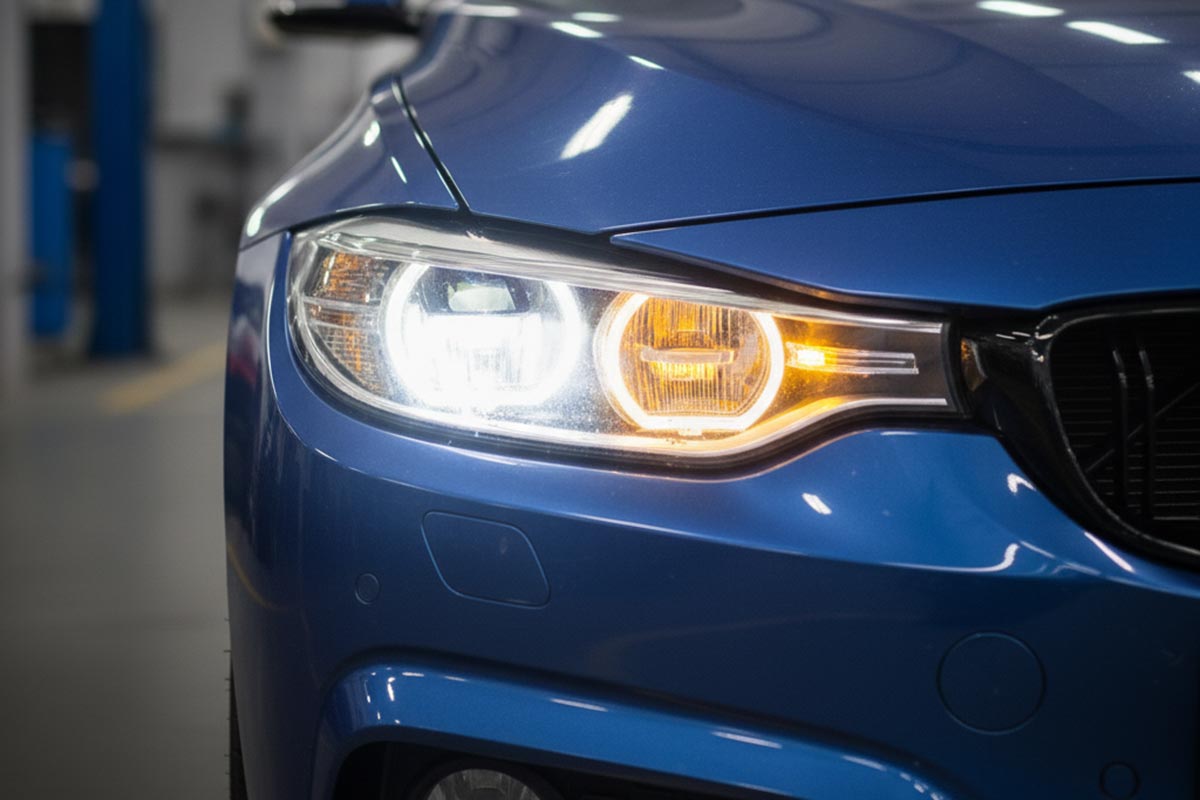
Faulty lights are one of the most common reasons cars fail their MOT. Before your test, take a few minutes to check that every light works properly — it’s quick, free, and can save you a fail.

What to do:

  • Turn on your headlights (both dipped and full beam) and check they’re working evenly and not dim.
  • Test all indicators and hazard lights — front, rear, and side repeaters.
  • Make sure brake lights come on when the pedal is pressed, and that they’re bright and clear.
  • Check number plate lights, reverse lights, fog lights, and side lights.
  • Replace any faulty bulbs and clean all lenses so they’re not obscured by dirt or condensation.

Tip: Ask a friend to help check the rear lights while you operate the controls, or use a reflective surface like a garage door to see them yourself.